
FAQ’s
Frequently Asked Construction Questions
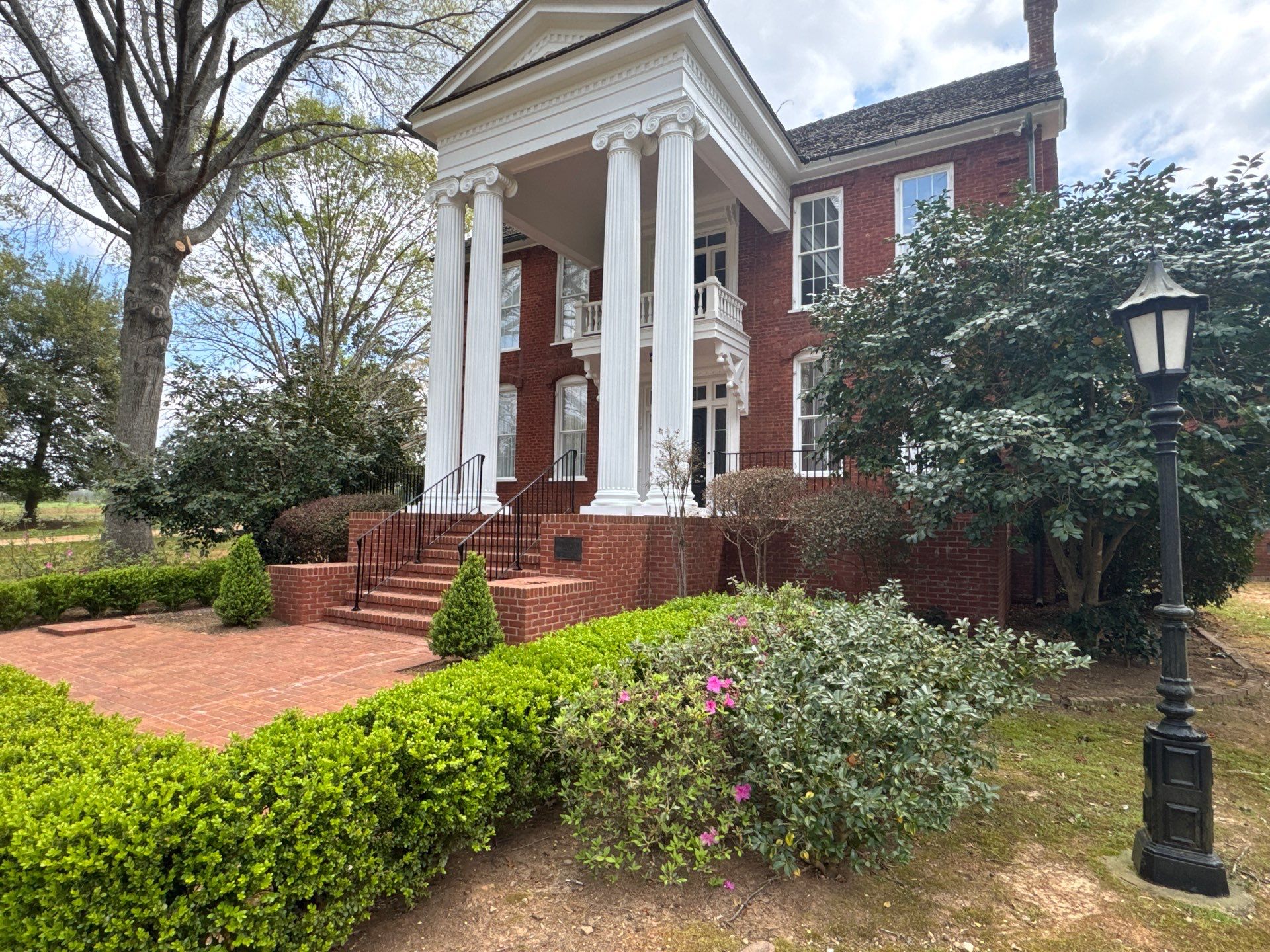
Q: What types of construction projects do you handle?
A: We offer a wide range of construction services, including residential remodels, home additions, exterior renovations, storm restoration, commercial build‑outs, and preventative maintenance. Whatever your project goals, our team has the experience and skills to deliver dependable results.
Q: Are you licensed and insured?
A: Yes — Southland Construction Solutions is fully licensed and insured, including general liability and workers’ compensation coverage. This means your property and investment are protected throughout the construction process, giving you peace of mind from start to finish.
Q: How long will my construction project take?
A: Project timelines vary depending on the size, scope, and complexity of the work. During your consultation, we’ll discuss an estimated schedule and keep you informed throughout the process so you know what to expect and when work will be completed.
Q: Do you handle permits and inspections?
A: Absolutely. We manage all required permits and inspections for your project to ensure compliance with local building codes and regulations. Handling this for you saves time, prevents costly delays, and ensures the work is completed safely and legally.
General Questions: Frequently Asked Construction Questions
Q1: What is the difference between a general contractor and a subcontractor?
A: A general contractor manages the overall construction project, coordinating all trades, schedules, and permits. Subcontractors are specialists hired by the general contractor to perform specific tasks, like plumbing, electrical work, or roofing.
Q2: How do I know if my property needs construction work?
A: Signs include leaks, cracks, structural damage, outdated or inefficient systems, or simply wanting to expand or remodel. Regular inspections can identify issues early and prevent costly repairs.
Q3: How long does a typical construction project take?
A: Project length depends on size, complexity, and materials. Small renovations may take a few weeks, while home additions or commercial builds can take several months. Your contractor should provide a detailed timeline.
Q4: Do construction companies provide estimates?
A: Yes. Reputable construction companies provide detailed, written estimates that break down labor, materials, and other costs. Always compare multiple quotes before deciding.
Q5: How can I stay within my construction budget?
A: Clear communication with your contractor, choosing materials wisely, and prioritizing essential work can help. Unexpected costs can occur, so it’s smart to set aside a contingency fund.
Q6: What permits are needed for construction projects?
A: Permits vary by location and project type. Common examples include building permits, electrical permits, plumbing permits, and zoning approvals. A licensed contractor can handle the permitting process for you.
Q7: How do I choose a reliable construction company?
A: Look for licensed and insured contractors, positive reviews, references, and a proven portfolio of past projects. Clear communication and transparent contracts are also critical.
Q8: Can construction companies work on both residential and commercial projects?
A: Many companies specialize in one or the other, but full-service construction companies handle both, with the expertise, staff, and equipment for a wide range of projects.
Q9: What are common construction materials used today?
A: Popular materials include wood, steel, concrete, brick, and composite materials. The choice depends on the project type, budget, and desired durability.
Q10: How often should I have my property inspected?
A: For homeowners, annual inspections are recommended for roofs, exteriors, and foundations. Commercial properties may require more frequent inspections depending on use, weather, and local regulations.
Q11: Can construction companies help with insurance claims?
A: Yes. Companies experienced in storm or damage restoration can assess damage, document it for insurance, and help navigate the claims process to ensure proper repairs.
Q12: What is preventative maintenance in construction?
A: Preventative maintenance involves regular inspections and minor repairs to prevent major issues, such as roof leaks, structural damage, or water intrusion, extending the life of your property.
Q13: How do I know if I need a remodel or a new addition?
A: Remodeling is ideal for updating spaces or improving functionality, while a home addition is better for expanding square footage. A contractor can assess your space and goals to recommend the best approach.
Q14: Are construction projects environmentally friendly?
A: Many companies now use sustainable materials, energy-efficient systems, and green building techniques to reduce environmental impact while improving property efficiency.
Q15: What questions should I ask a construction contractor before hiring?
A: Ask about licensing, insurance, experience, project timelines, past work, warranty, payment schedule, and whether they handle permits and inspections.